Dental Crowns & Bridges
Zirconia Crown Cost in Hyderabad: Types, Price Factors and What’s Included
Planning a zirconia crown in Hyderabad? Learn what affects cost, how monolithic and layered zirconia differ, what a quotation may include and when a crown is appropriate.
By The Dental Experts team ·
Zirconia crown cost: the short answer
The Dental Experts is located in Nanakramguda, Hyderabad, and assesses teeth that may need protection or restoration with a crown. There is no responsible single zirconia-crown price for every tooth because the final cost depends on the condition of the tooth, the crown design and material, laboratory workflow, records, temporary restoration and any treatment required before the crown.
A quotation should state whether it covers examination, dental X-rays when clinically needed, tooth preparation, scan or impression, temporary crown, laboratory-made zirconia restoration, shade work, fitting, cementation and routine review. Root canal treatment, core build-up, post placement, gum treatment or replacement of an old crown may be separate because not every patient needs them.
Final cost can be confirmed only after clinical assessment. A low advertised figure is difficult to evaluate unless it identifies the type of zirconia, the laboratory work and everything included in completing the tooth.
What is a zirconia crown?
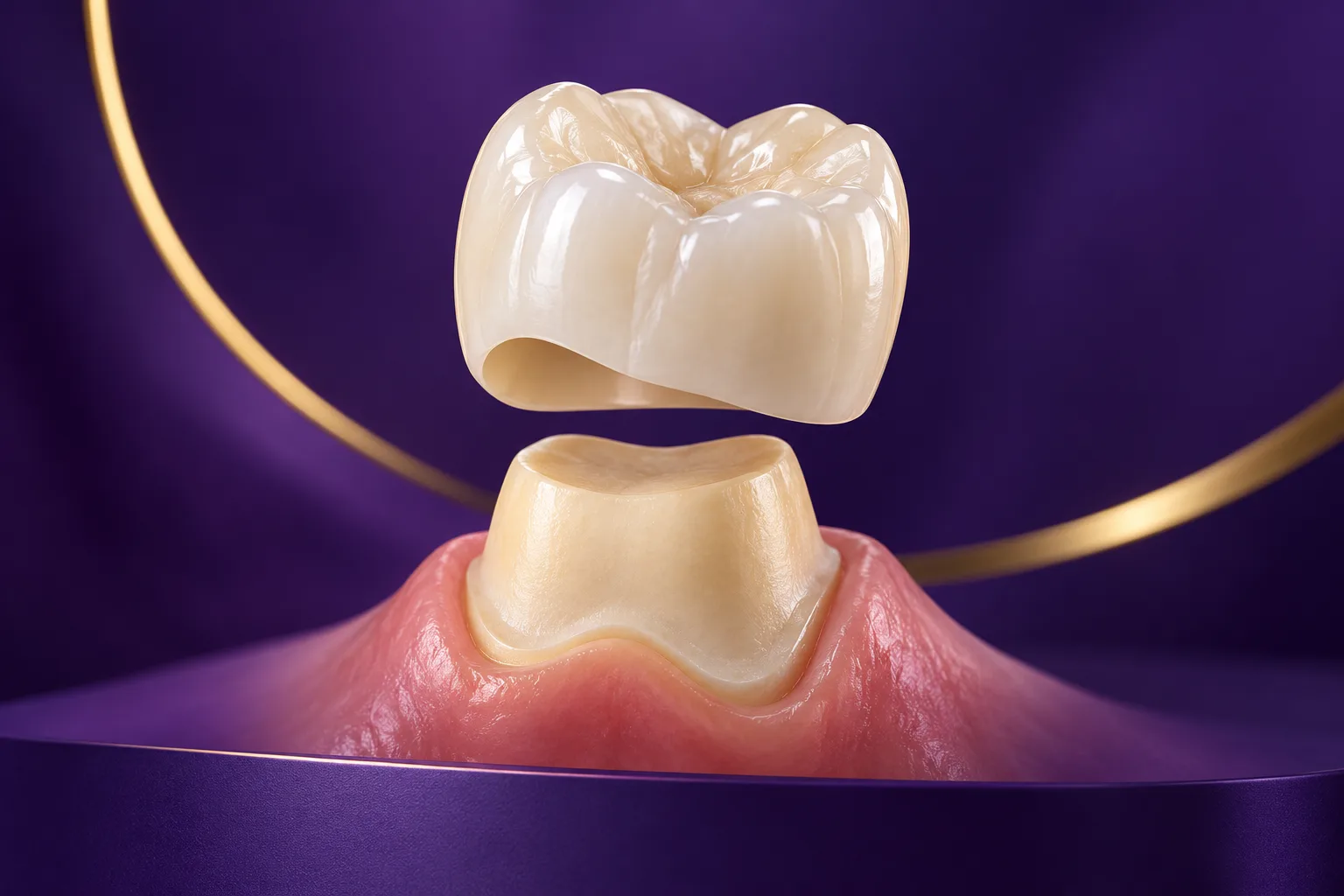
A dental crown is a restoration that covers the visible portion of a prepared tooth. Zirconia is a strong ceramic based on zirconium dioxide and is used for crowns and bridges in selected situations.
“Zirconia crown” is not one completely uniform product. Formulations vary in strength, translucency and appearance. The crown can be made as predominantly monolithic zirconia or designed with veneering ceramic in selected areas to modify aesthetics.
Material choice should follow the tooth’s position, remaining structure, bite, space, aesthetic requirements and opposing teeth. Zirconia may be suitable for many cases, but it is not automatically the best material for every tooth.
When might a crown be recommended?
A crown may be considered when a tooth has lost substantial structure from decay, fracture or a large restoration; when it needs protection after certain root canal treatments; when an existing crown is failing; or when a carefully planned restorative change is needed.
A crown is not the only option for every damaged tooth. A direct filling, inlay, onlay, veneer, endocrown, extraction and replacement, or monitoring may be discussed depending on the diagnosis.
The important question is not simply “Which crown is strongest?” but whether enough healthy tooth remains, whether decay and cracks have been assessed, whether the gums are stable, and whether the bite can support a predictable restoration.
The main factors that affect zirconia crown cost
Tooth condition: removing an old restoration, treating decay, rebuilding missing structure or managing a crack changes the clinical work required before the final crown.
Crown design and zirconia type: a monolithic posterior crown, a more translucent aesthetic zirconia crown and a layered restoration involve different material choices and laboratory processes.
Tooth position and aesthetic demand: matching a visible front tooth may need detailed shade records, surface characterisation or additional try-in stages. A back tooth may have different strength and bite requirements.
Laboratory and workflow: digital scans or conventional impressions, computer-aided design, milling, sintering, staining, glazing and technician input all contribute to the restoration rather than the zirconia blank alone.
Supporting procedures: a core build-up, post, root canal treatment, gum management, crown-lengthening procedure or occlusal guard may be advised only when clinically indicated and can alter the total plan.
Temporary and review care: temporary crown fabrication, recementation if it loosens, additional trials, bite adjustment and scheduled review may be included or listed separately.
Monolithic and layered zirconia are not identical
Monolithic zirconia is milled primarily as one ceramic structure. It can provide useful strength with reduced risk of a separate veneering layer chipping, which may be relevant for posterior teeth or higher-load situations.
Layered zirconia uses a zirconia framework or core with aesthetic ceramic added in selected areas. This can help the dental technician reproduce colour and optical details, but it introduces a veneering layer with its own mechanical considerations.
Newer translucent zirconias can improve appearance but material properties vary. The dentist and laboratory balance translucency, thickness, preparation, connector dimensions for bridges, bite forces and the desired result rather than choosing by marketing name alone.
Assessment and tooth preparation
The dentist examines the tooth, gum margin, neighbouring teeth and bite and reviews symptoms and relevant history. Dental X-rays may be used when they will help assess decay, previous root canal treatment, bone support or another concern.
If a crown is appropriate, damaged or decayed material is managed and the tooth is prepared to create space and a defined finish line for the restoration. The amount and shape of preparation depend on the tooth, material and remaining structure.
A scan or impression records the prepared tooth and its relationship to adjacent and opposing teeth. A temporary crown may protect the tooth and maintain appearance and function while the definitive crown is made.
How digital planning fits into the process
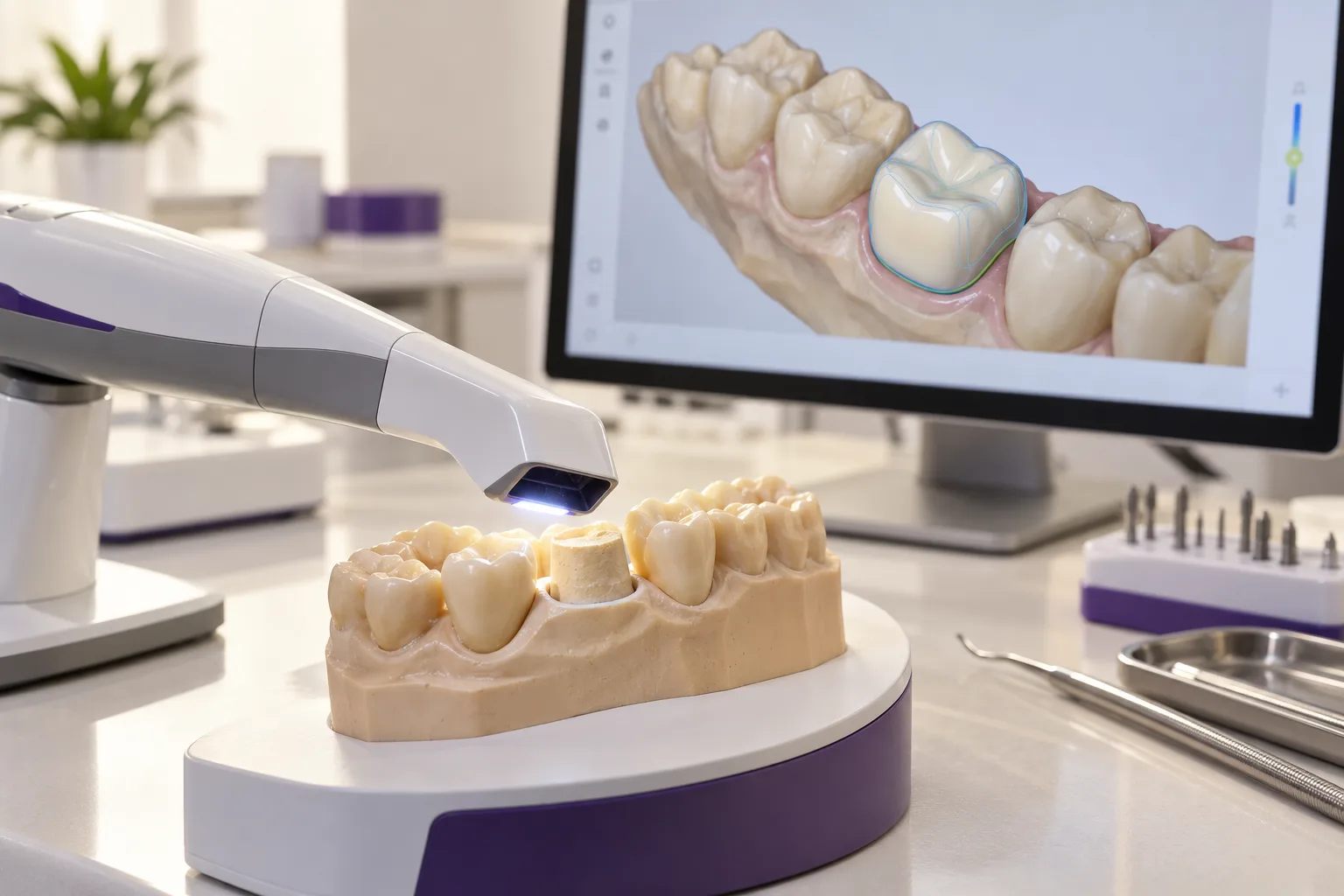
An intraoral scan can create a digital record of the prepared tooth and bite. The laboratory or clinical workflow then uses computer-aided design to plan contours, contacts and occlusion before the restoration is milled and finished.
Digital technology does not remove the need for accurate preparation, moisture control, gum management, material knowledge or careful fitting. A technically sophisticated workflow can still require adjustment or a repeat record if the margin or bite is not captured clearly.
The relevant cost question is not whether the word “digital” appears in the quotation, but whether the workflow supports an accurately designed restoration and whether necessary remakes or additional visits are addressed in the treatment terms.
Fitting and cementing the crown
At the fitting visit, the temporary crown is removed and the tooth is cleaned. The definitive crown is checked for seating, margin, contact with neighbouring teeth, shade and bite.
Adjustments may be required before the crown is cemented or bonded using a protocol selected for the tooth, preparation and restoration. The bite is checked again after placement.
Mild short-term sensitivity can occur in some teeth, but persistent pain, increasing discomfort on biting, swelling or a crown that feels loose or unusually high should be assessed rather than ignored.
Benefits and limitations of zirconia crowns
Zirconia can provide a tooth-coloured restoration with useful strength and can be selected for many front- and back-tooth situations. Its low metal content avoids the dark metal framework associated with some porcelain-fused-to-metal crowns.
It still requires appropriate tooth preparation, adequate support, an accurate fit and a stable bite. A crown cannot make an unrestorable tooth predictable, and it does not prevent decay at the margin or gum disease around the tooth.
Potential problems include sensitivity, loss of retention, marginal decay, ceramic fracture or chipping, wear of the opposing tooth if surfaces are not appropriately finished, gum inflammation, bite-related discomfort and eventual need for repair or replacement.
No crown can be guaranteed for life. Longevity is influenced by diagnosis, remaining tooth structure, fit, bite, grinding habits, oral hygiene, diet and maintenance.
Zirconia versus other crown materials
Lithium-disilicate and other glass ceramics can offer high translucency for selected aesthetic cases, but their indications and thickness requirements differ from zirconia.
Porcelain-fused-to-metal crowns combine a metal substructure with veneering porcelain. They have a long clinical history but may show an opaque core or a darker margin in some situations, and the veneering porcelain can chip.
Full-metal crowns require no tooth-coloured ceramic and can be conservative and durable in selected posterior situations, but their appearance limits acceptance for many patients.
The best choice depends on the tooth and treatment goals. Material should not be selected solely from a price list or a photograph.
Aftercare and maintenance
Brush the crown and gumline twice daily with fluoride toothpaste and clean between the teeth using floss or an interdental aid suited to the contact. A crown still meets natural tooth structure at its margin, where plaque can collect.
Avoid using the crowned tooth to crack hard objects. If you grind or clench, discuss whether a night guard is appropriate; it is not automatically required for every patient.
Attend periodic dental reviews so the crown, bite, gum health and supporting tooth can be examined. Contact the clinic earlier if the crown moves, breaks, traps food repeatedly, develops an unpleasant taste, or the tooth becomes painful or swollen.
Frequently asked questions
Does a tooth always need root canal treatment before a zirconia crown? No. Root canal treatment is based on the condition of the pulp and tooth, not on the crown material. Some crowned teeth have already had root canal treatment; many have not.
Is zirconia better than ceramic? Zirconia is itself a ceramic. Different dental ceramics have different optical and mechanical properties, so the choice depends on the case.
Is the temporary crown included in the cost? It may be, but this should be stated. Ask what happens if it loosens and whether an additional temporary or repair is charged separately.
Can a zirconia crown be made in one visit? Some workflows can provide same-day restorations for selected cases, but not every clinic, material, tooth or aesthetic requirement suits that pathway. Faster is not automatically better.
Why do two zirconia crown quotations differ? They may not include the same diagnosis, supporting treatment, material, technician work, temporary restoration, shade stages or review care. Compare itemised plans rather than the headline amount.
How long does a zirconia crown last? There is no honest universal lifespan. Clinical and patient factors determine performance, and every restoration requires maintenance.
Planning a crown assessment in Nanakramguda
The Dental Experts is physically located in Nanakramguda, Hyderabad. The clinic also welcomes patients travelling from nearby Financial District, Gachibowli, Khajaguda, Kokapet, Narsingi and Manikonda.
Bring previous dental X-rays or records if available. At the consultation, ask why the crown is recommended, whether an alternative could preserve more tooth structure, which zirconia design is proposed, what the quotation includes and what maintenance is expected.
Final zirconia crown cost depends on the tooth’s clinical condition and the agreed restorative plan.
Sources and further reading
This article provides general information and does not replace an individual dental examination.
← All articles