Orthodontics
Clear Aligners Cost in Hyderabad: Price Range, Process and Braces Comparison
Clear aligners at The Dental Experts may cost an indicative ₹90,000–₹2,00,000+ depending on complexity and inclusions. Learn what changes the cost and how aligners compare with braces.
By The Dental Experts team ·
Clear aligners cost in Hyderabad: the short answer
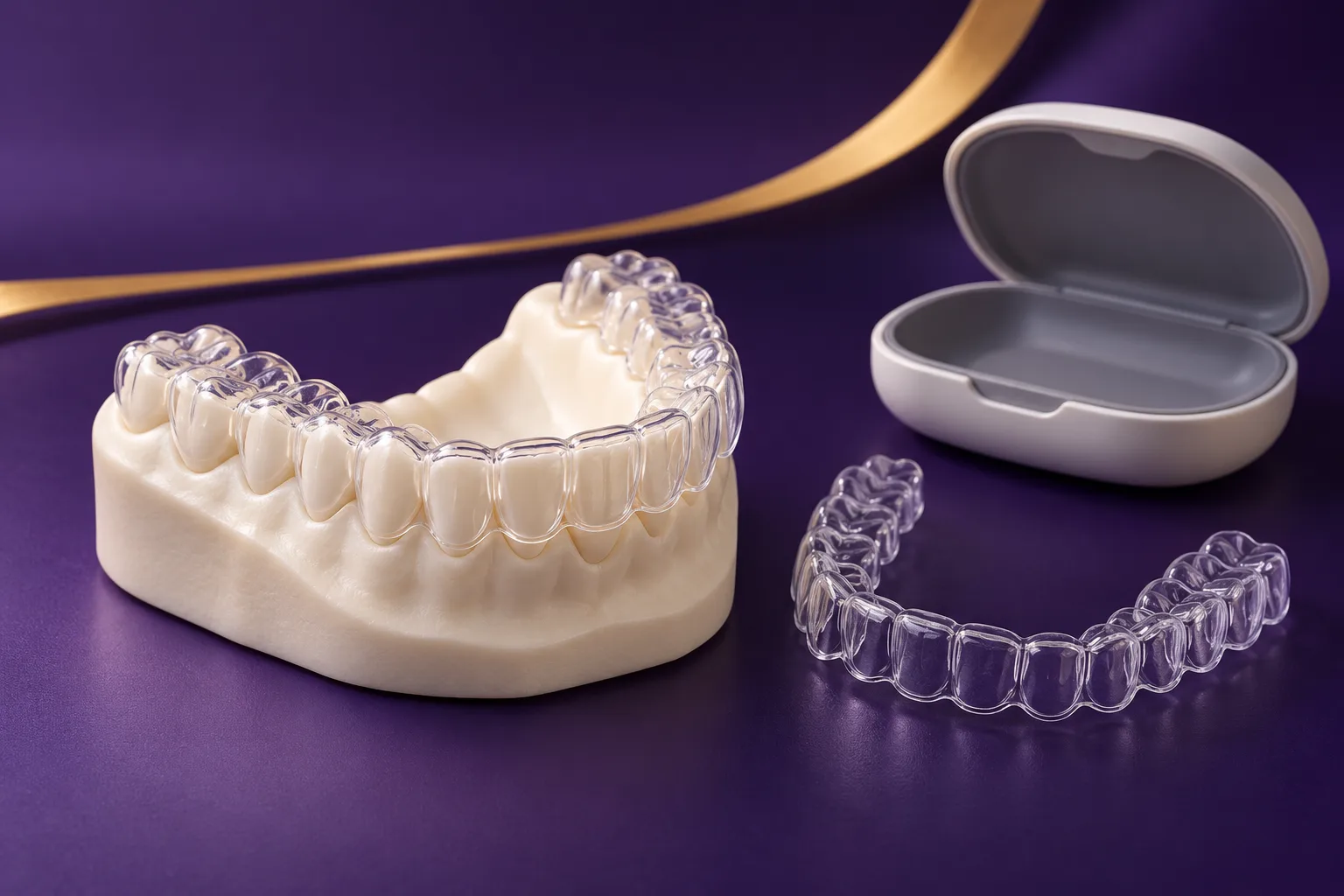
The Dental Experts is located in Nanakramguda, Hyderabad, and provides orthodontic assessments for people considering clear aligners or fixed braces. At the clinic, a reasonable indicative budget for clear-aligner treatment is ₹90,000 to ₹2,00,000+, but this is not a fixed package price or a quote for every patient.
The final cost depends on the movements required, treatment complexity, the aligner system selected, the number of trays and review stages, and what the plan includes. Records, tooth-coloured attachments, interproximal reduction when indicated, replacement trays, refinements and retainers may be bundled or charged separately.
A clinical assessment is necessary before confirming suitability, treatment duration and final cost. When comparing estimates, ask for the whole treatment plan rather than comparing only the advertised starting price.
What the ₹90,000–₹2,00,000+ range may include
A comprehensive aligner plan may include the initial orthodontic assessment, photographs, digital scans or impressions, treatment simulation, the prescribed series of trays, scheduled monitoring visits and one or more sets of retainers. The exact bundle depends on the system and the clinic’s written plan.
Some items may be separate: dental X-rays, treatment of cavities or gum inflammation before orthodontics, extraction when clinically required, replacement of lost or damaged trays, additional refinement rounds, bonded retainers, or extended monitoring after the original plan.
The upper end is not automatically “better,” and the lower end is not automatically equivalent. The meaningful comparison is whether the proposed plan addresses the same bite and tooth movements, includes appropriate clinical supervision and states how refinements and retention will be handled.
Why clear-aligner cost varies
Complexity and treatment goals: small cosmetic alignment differs from correcting substantial crowding, spacing, rotations or bite relationships. More complex movement commonly requires more stages, closer monitoring or additional techniques.
Number of trays and treatment phases: aligners move teeth through a sequence. A longer sequence or a refinement series after reassessment changes the laboratory and clinical work involved.
Aligner system and laboratory: different systems have different materials, planning platforms, manufacturing arrangements and case options. Invisalign is a brand of clear aligner; the general term “clear aligners” includes other clinician-planned systems.
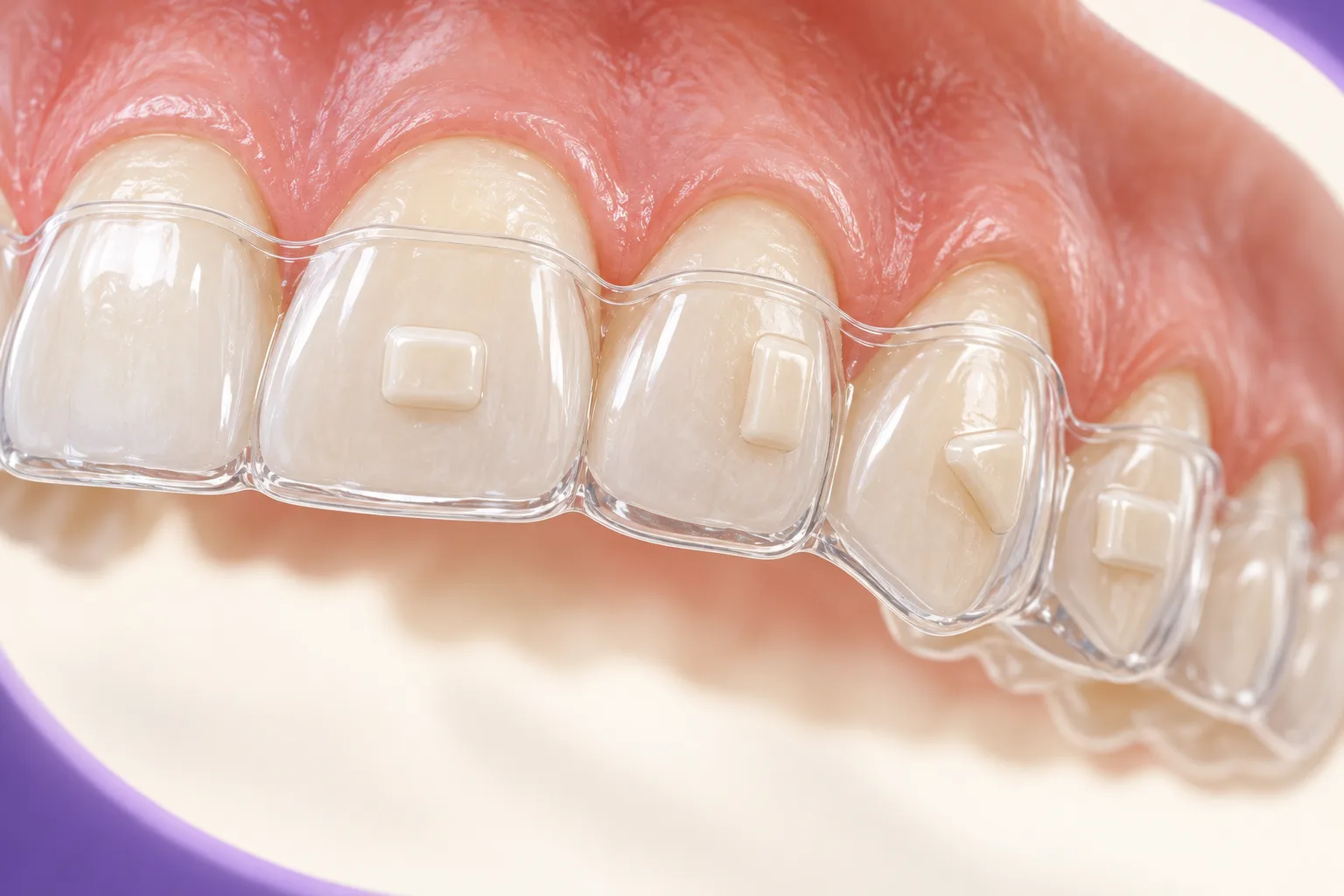
Attachments and supporting procedures: tooth-coloured attachments may help the tray deliver specific movements. Interproximal reduction, elastics or other orthodontic measures may be considered when appropriate. These are clinical decisions, not optional upgrades selected only by price.
Retention: teeth can move after active treatment. A cost comparison should state which retainers are included, how many sets are provided and whether follow-up retention checks are part of the plan.
Who may be suitable for clear aligners?
Clear aligners may be considered for many adults and teenagers with crowding, spacing or selected bite concerns. Their removable design can make eating and routine brushing more convenient than with fixed appliances.
Suitability depends on more than whether the front teeth look crooked. The orthodontic assessment considers the bite, jaw relationship, tooth shape and position, gum and bone support, existing dental work, oral hygiene and whether the required movements are predictable with the proposed system.
Aligners rely heavily on consistent wear. Someone who cannot wear and manage trays as instructed may obtain a more reliable result with fixed braces. In some cases, braces or a combined approach can offer better control for particular movements.
How clear-aligner treatment is planned
The process begins with your concerns and an examination of the teeth, gums and bite. Photographs, digital scans or impressions and dental X-rays may be used when clinically appropriate to create diagnostic records.
A digital setup can illustrate the planned sequence, but it is a treatment-planning aid rather than a guaranteed preview of the final result. The clinician reviews the proposed movements, limitations, expected responsibilities and alternative options before treatment begins.
Once approved, trays are manufactured in sequence. You change them according to the prescribed schedule and attend monitoring visits so progress, fit, hygiene and the bite can be checked. If teeth do not track as planned, new records and refinement trays may be recommended.
Attachments, tray fit and refinements
Attachments are small tooth-coloured shapes bonded to selected teeth. The aligner fits over them so force can be applied in a more controlled direction. Their number, shape and position vary with the planned movement.
A refinement is an additional series of trays planned after new records are taken, usually when further movement is needed to approach the agreed treatment goals. Refinement does not necessarily mean the original treatment failed; biological response and tray wear differ between people.
Because attachments and refinements affect appointments, manufacturing and total duration, the written estimate should explain whether they are included and whether any limits apply.
Clear aligners versus braces: how should you decide?
Appearance: aligners are transparent but not invisible, especially when attachments or elastics are used. Metal braces are more noticeable; ceramic braces can appear less prominent but remain fixed appliances.
Eating and cleaning: aligners are removed for meals and oral hygiene. Braces stay on the teeth and require care around brackets and wires. Aligners must be stored safely and teeth should be cleaned before reinsertion.
Discipline: aligners work only when worn for the prescribed daily time. Braces do not depend on remembering to put the appliance back after eating.
Clinical control: both approaches can be effective when appropriately planned and monitored, but they are not interchangeable in every case. The type and degree of tooth movement, bite, gum health and patient cooperation influence the recommendation.
Cost and convenience should be considered alongside predictability. The least expensive option is not necessarily the most suitable, and a removable option is not automatically the simplest.
Daily wear and aftercare
Wear the trays for the schedule prescribed by your clinician and remove them for meals and drinks other than plain water unless advised otherwise. Repeatedly leaving them out for long periods can interrupt the planned movement.
Brush and clean between the teeth before reinserting aligners when practical. Clean the trays using the method recommended for the material; hot water can distort many plastics. Keep trays in their case when they are not in your mouth.
Mild pressure or tenderness can occur when a new tray is started. Contact the clinic if an aligner no longer seats correctly, an attachment comes off, pain is severe or persistent, the gums become swollen, or a tray is lost or damaged. Do not jump ahead in the sequence without advice.
After active treatment, retainers help maintain the new tooth positions. Retention is a long-term part of orthodontic care, and the prescribed schedule can change over time.
Limitations and risks to understand
Clear aligners do not guarantee a particular result or treatment duration. Progress can differ from the digital plan, and some cases require refinements, a change in mechanics or conversion to fixed appliances.
Possible issues include temporary tenderness, irritation, speech adaptation, tray staining, attachment loss and insufficient tracking. As with orthodontic treatment generally, poor plaque control can contribute to decay, gum inflammation or enamel marks.
Gum health and bone support should be assessed before movement. Existing restorations and the final bite also require attention. Tell the dentist about medical conditions, medicines and previous orthodontic treatment so these can be considered in planning.
Frequently asked questions
How long do clear aligners take? Duration depends on the starting position, bite, goals, biological response and consistency of wear. A personalised estimate follows assessment; a short social-media timeline should not be treated as a promise.
Are aligners painless? No orthodontic system should be marketed as painless. Pressure or tenderness can occur, particularly after changing trays, although the experience varies.
Are all refinement trays free? Not necessarily. Some plans include defined refinement rounds or a time-limited treatment window; others charge separately. Confirm this in writing before starting.
Are retainers included? They may or may not be. Ask which type, how many sets and what replacement retainers cost.
Can I choose aligners only from an online scan? Safe planning involves a clinical examination of the teeth, gums and bite and appropriate diagnostic records. Ongoing professional monitoring is part of responsible orthodontic care.
Booking an aligner assessment in Nanakramguda
The Dental Experts is physically located in Nanakramguda, Hyderabad. The clinic also welcomes patients travelling from nearby Financial District, Gachibowli, Khajaguda, Kokapet, Narsingi and Manikonda.
At the consultation, ask whether aligners or braces are more suitable for your bite, how long the proposed plan may take, what the indicative cost includes, how refinements are handled and which retainers are recommended.
The ₹90,000–₹2,00,000+ figure is an indicative clinic range, not a fixed price or citywide average. Final cost depends on clinical assessment and the agreed treatment plan.
Sources and further reading
This article provides general information and does not replace an individual dental examination.
← All articles